

Contraception
Meet your Choice of Contraception
My Body my Choice! The Right to CHOOSE.
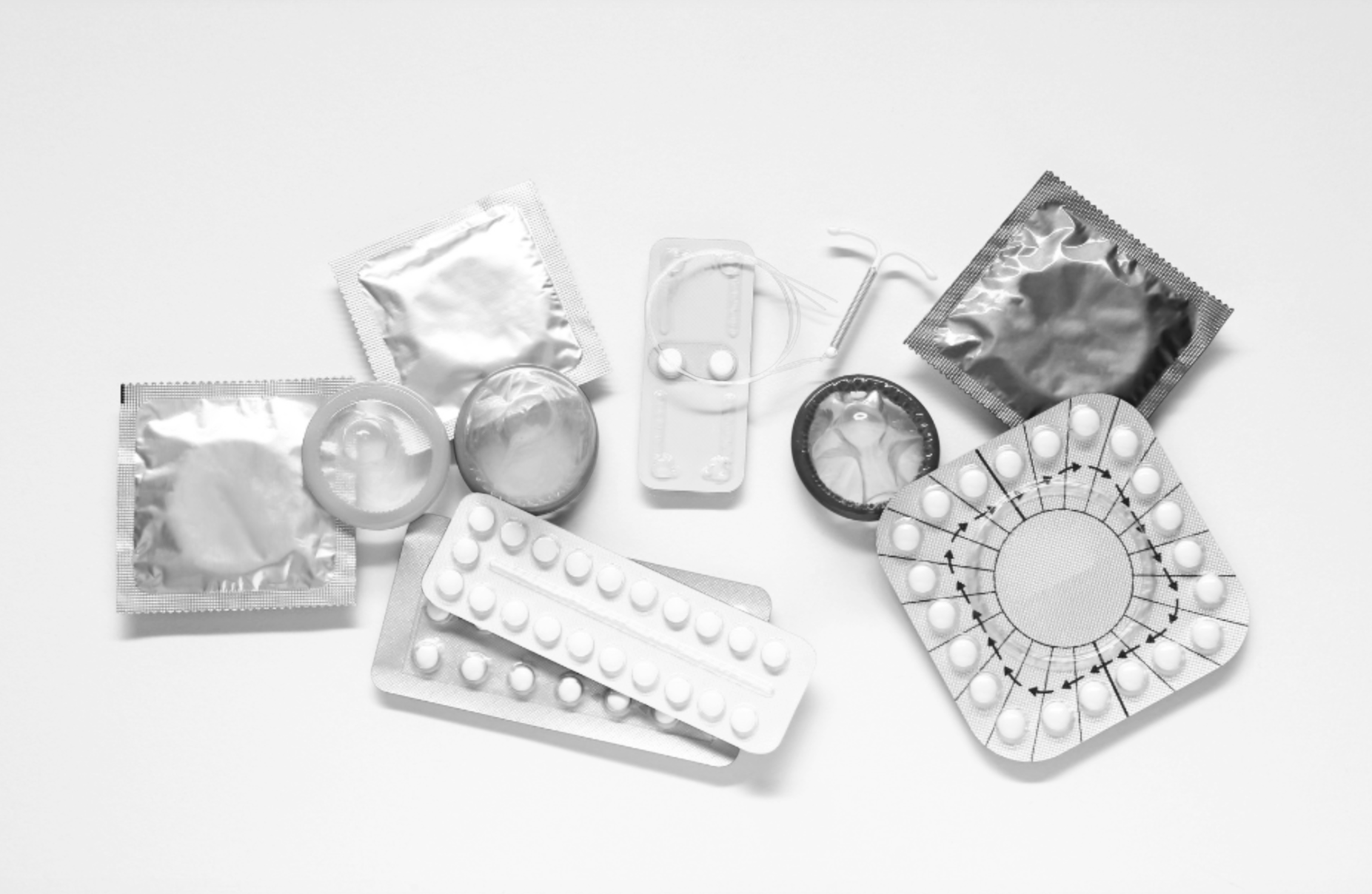
Contraceptive methods should be chosen through voluntary, informed choice. Birth control, also known as contraception or fertility control, is the use of methods or devices to prevent pregnancy.
The most effective methods of birth control are sterilization by means of vasectomy in males and tubal ligation in females, intrauterine devices (IUDs), and implantable birth control. This is followed by less permanent hormone-based methods including contraceptive pills, patches, vaginal rings, and injections. Less effective methods include physical barriers such as condoms, diaphragms and birth control sponges and fertility awareness methods, spermicides and withdrawal by the male before ejaculation.
-
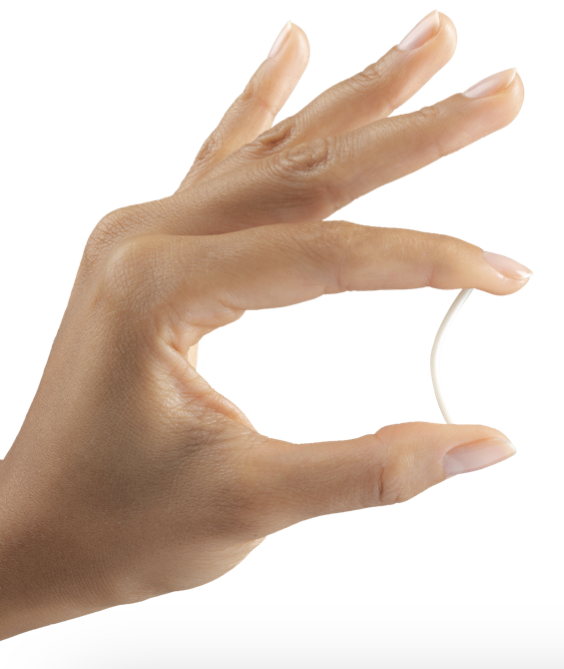
Nexplanon is a subnormal contraceptive implant that releases the hormone etonogestrel to prevent pregnancy.
How It Works:
Nexplanon is inserted under the skin of the upper arm.
It releases a steady amount of etonogestrel for up to 3 years.
Etonogestrel prevents pregnancy by:
Inhibiting ovulation
Thickening cervical mucus to make it difficult for sperm to penetrate
Making the lining of the uterus less hospitable for implantation
Benefits:
Highly effective (over 99% effective)
Long-acting (lasts for 3 years)
Discreet and convenient
No need to remember to take a pill or use a condom
Side Effects:
Irregular bleeding or spotting (common, but usually resolves within a few months)
Increased risk of blood clots (especially in women who smoke or have other risk factors)
Headache, acne, mood changes
Not suitable for women who are pregnant, breastfeeding, or have certain medical conditions
-
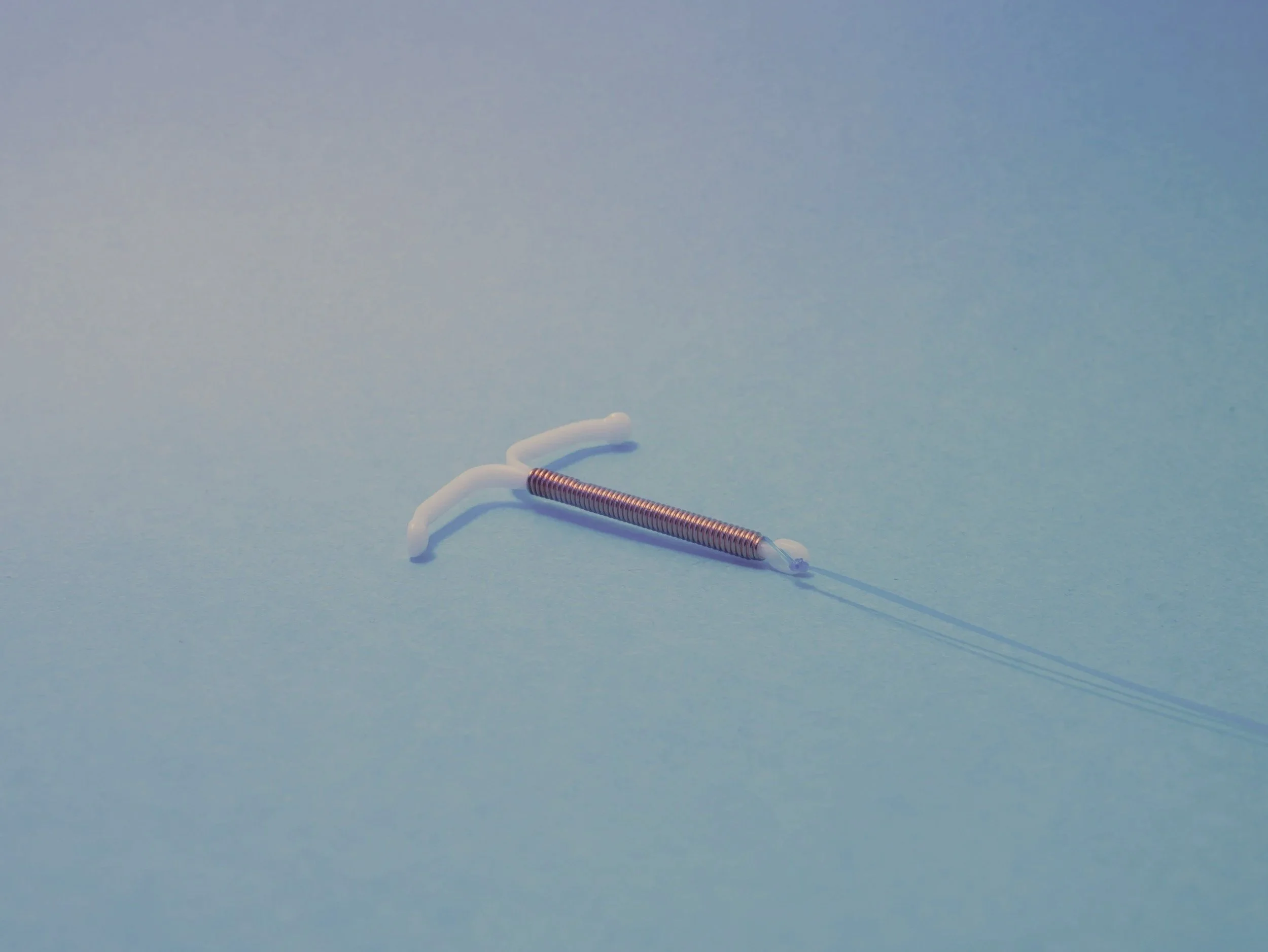
The intrauterine device (IUD) is a small, T-shaped piece of plastic that you can have a health care provider put inside your uterus. The IUD makes it harder for sperm to move efficiently, preventing it from fertilizing an egg. In the U.S., there are five brands of IUDs available: Kyleena, LILETTA, Mirena, Paragard, and Skyla.
IUDs can offer years of protection from pregnancy. How long they last depends on the type you get. Some last for up to three years and others last for up to 12 years. If you want to get pregnant or simply want to switch to a different method of birth control at any time, you can have the IUD removed. And if you have plans to get pregnant in the future, don’t worry—having an IUD now doesn’t affect your fertility in the future.
Effectiveness
The IUD is super effective—one of the most effective birth control methods.
Perfect use: Over 99 % effective
Typical use: Over 99% effective
Side effects
With the hormonal IUD, you may have spotting between periods. With the non-hormonal IUD, you may have heavier periods. The insertion can be uncomfortable depending on pain tolerance.

-
Fertility awareness methods (also sometimes called FAMs, “natural family planning,” or “the rhythm method”) are all about tracking your body’s signs and symptoms to determine which days of the month you can get pregnant, also known as your fertile days.
Effectiveness
Pretty effective the way most people use them (but they’re not the easiest to use).
Perfect use: 95 to over 99% effective
Typical use: 77 to 98% effective
Ongoing effort
Using a fertility awareness method requires a lot of effort including monitoring, tracking, and planning–plus you’ll need to use another method on fertile days.
To find out when your fertile days are, you’ll need to pay very close attention to your body and its patterns, and you’ll also need to keep careful track of what’s happening. There are several different signs and symptoms of fertility that you can track, and there are multiple ways to monitor them.
The diaphragm is a small, flexible cup made of silicone that you insert into your vagina, along with spermicide, before penis-in-vagina sex. The diaphragm covers your cervix, preventing sperm from entering your uterus and fertilizing an egg. The spermicide you use with it makes sperm less able to move.
The diaphragm is reusable for up to two years, no matter how many times you use it during those two years. There are two kinds of diaphragms, a one-size-fits-most version, called Caya, and a type with multiple sizes available that has to be fitted by a provider, called Milex.
Effectiveness
The diaphragm (used with spermicide) is pretty effective the way most people use it.
Perfect use: 84% effective
Typical use: 83% effective
Ongoing effort
You have to put it in place every time you’re going to have penis-in-vagina sex and leave it in for six hours after. You can leave it in for up to 24 hours, but you have to apply a new dose of spermicide before having sex each time.
Withdrawal, also called the “pull-out method,” is one of the oldest forms of birth control on the planet. Withdrawal is when, during penis-in-vagina sex, the person with the penis pulls their penis out of their partner’s vagina before they ejaculate (cum). They can then ejaculate outside of the vagina if they like, but it’s important not to ejaculate on the vulva (the parts on the outside, which include the labia and the clitoris), as that can also lead to pregnancy.
Effectiveness
Pretty effective the way most people use it (but it’s hard to pull out on time every time).
Perfect use: 96% effective
Typical use: 80% effective
Ongoing effort
You have to make an effort every time you have sex.
Spermicide contains chemicals that prevent pregnancy in two ways. The first way spermicide works is by stopping sperm from moving normally. The second way is by keeping sperm from getting through your cervix and into your uterus. (Think of your cervix like a doorway between your vagina and your uterus.) In order for spermicide to work correctly, you have to insert it deep into your vagina, so that it actually covers your cervix.
Phexxi is a birth control gel that is similar to over-the-counter spermicide but is more effective. Phexxi is only available by prescription.
Effectiveness
Spermicide on its own, without a barrier method like a diaphragm or condom, is pretty effective the way most people use it. Prescription-only vaginal gel is more effective than over-the-counter spermicide.
Perfect use: 84% to 93% effective
Typical use: 79% to 86% effective
Ongoing effort
You have to apply a dose of spermicide before each time you have penis-in-vagina sex.
-
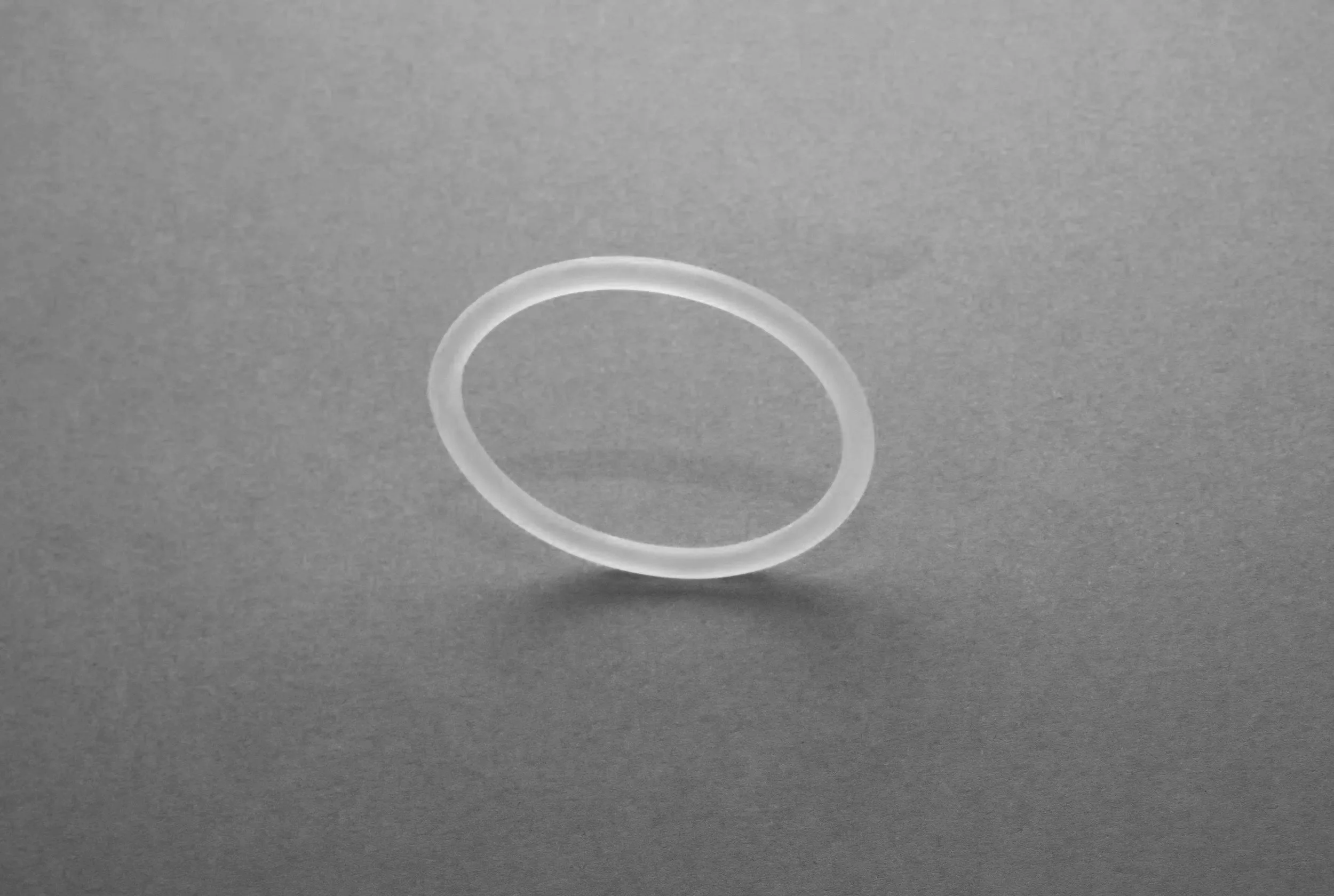
The birth control ring (brand names: Annovera and NuvaRing) is a small, bendable plastic ring that you insert into your vagina. You leave it in place for three weeks at a time, then take it out for the fourth week. The main way the ring works is by giving off hormones that prevent your ovaries from releasing eggs.
How it works
There are two types of birth control rings, one that you can use over and over for up to a year (Annovera) and one type that is replaced monthly (NuvaRing or its generic versions).
Effectiveness
The ring is very effective the way most people use it.
Perfect use: 97 to over 99% effective
Typical use: 93% effective
Side Effects
Most common—but usually temporary—side effects are irregular bleeding, headaches, sore breasts, and nausea.
Ongoing effort
Ring in. Wait 3 weeks. Ring out. Wait 1 week. Repeat. Get a new ring every month.
-
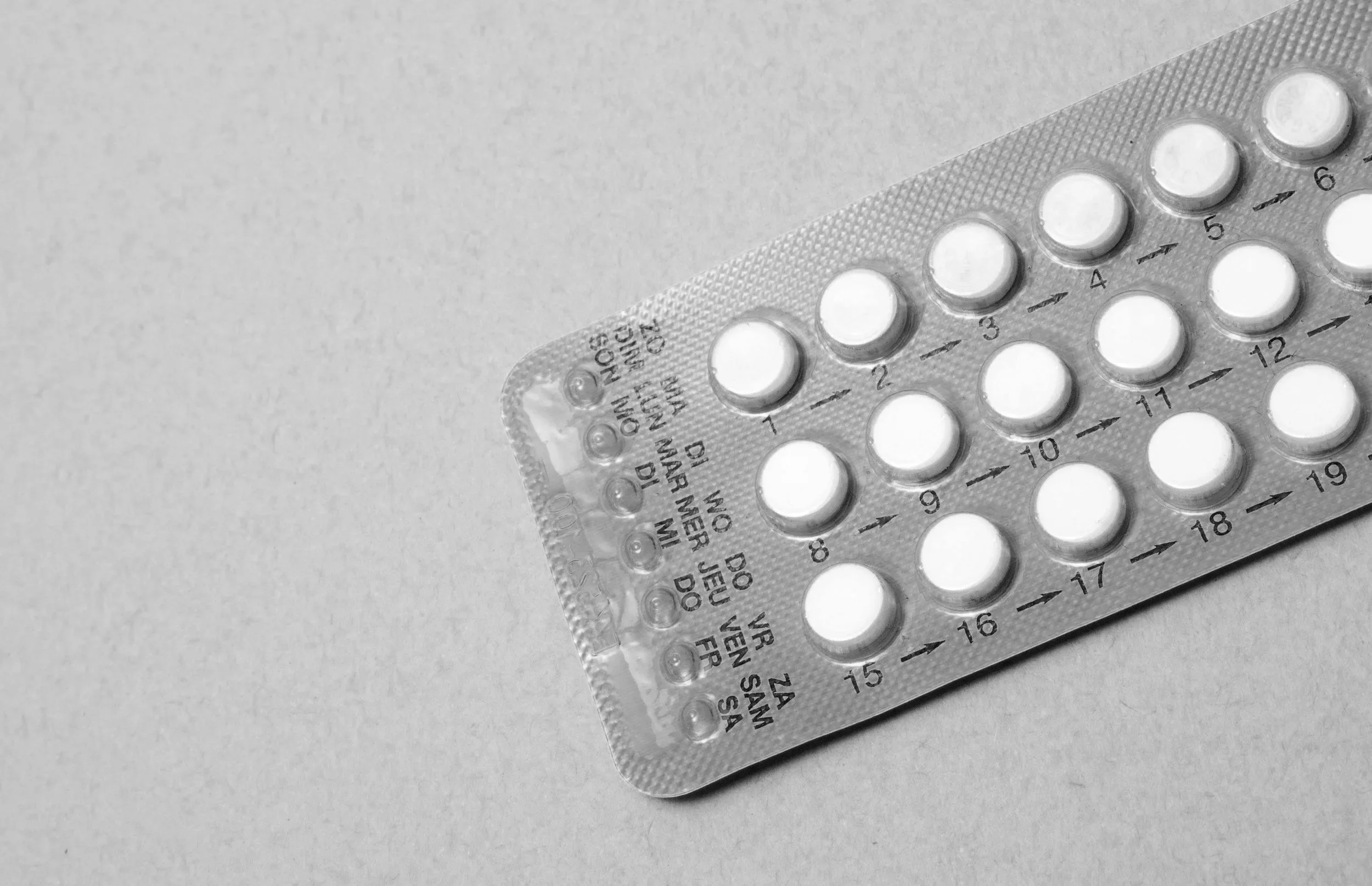
The birth control pill, also called “the pill” or “oral contraception” is a pill you take once a day to prevent pregnancy. There are lots of different brands of pills on the market. Most work by using hormones that keep your ovaries from releasing eggs or by making your uterine cavity and unpleasant environment for pregnancy to occur.
There are two main categories of birth control pills. Both types of birth control pills contain hormones. The biggest differences between them are which hormones they contain and how you use them.
How it works
If you use the progestin-only pill, or mini-pill, you have to be much more careful to take your pill at the same time every day. If you are more than 3 hours late taking the mini-pill, you will need to use a backup method of birth control, like condoms, for the next 48 hours.
With the combination pill, you just need to make sure to take a pill a day—the timing is not as sensitive.
Effectiveness
The pill is very effective the way most people use it.
Perfect use: Over 99% effective
Typical use: 93% effective
Side effects
Most common—but usually temporary—side effects are irregular bleeding, headaches, sore breasts, and nausea. Ongoing effort
You have to take your pill every single day, which can be hard.

Book Your Consultation!
Unsure which birth control method works the best for you and your reproductive goals? You have more questions and would like more answers from a board certified and lichened women’s health provider?
Get a FREE consultation - as we will apply your consultation fee towards your initial visit.